Is Racing Trading Its Old Fans for New Ones?
Racing is winning new fans and losing the ones who fund it.
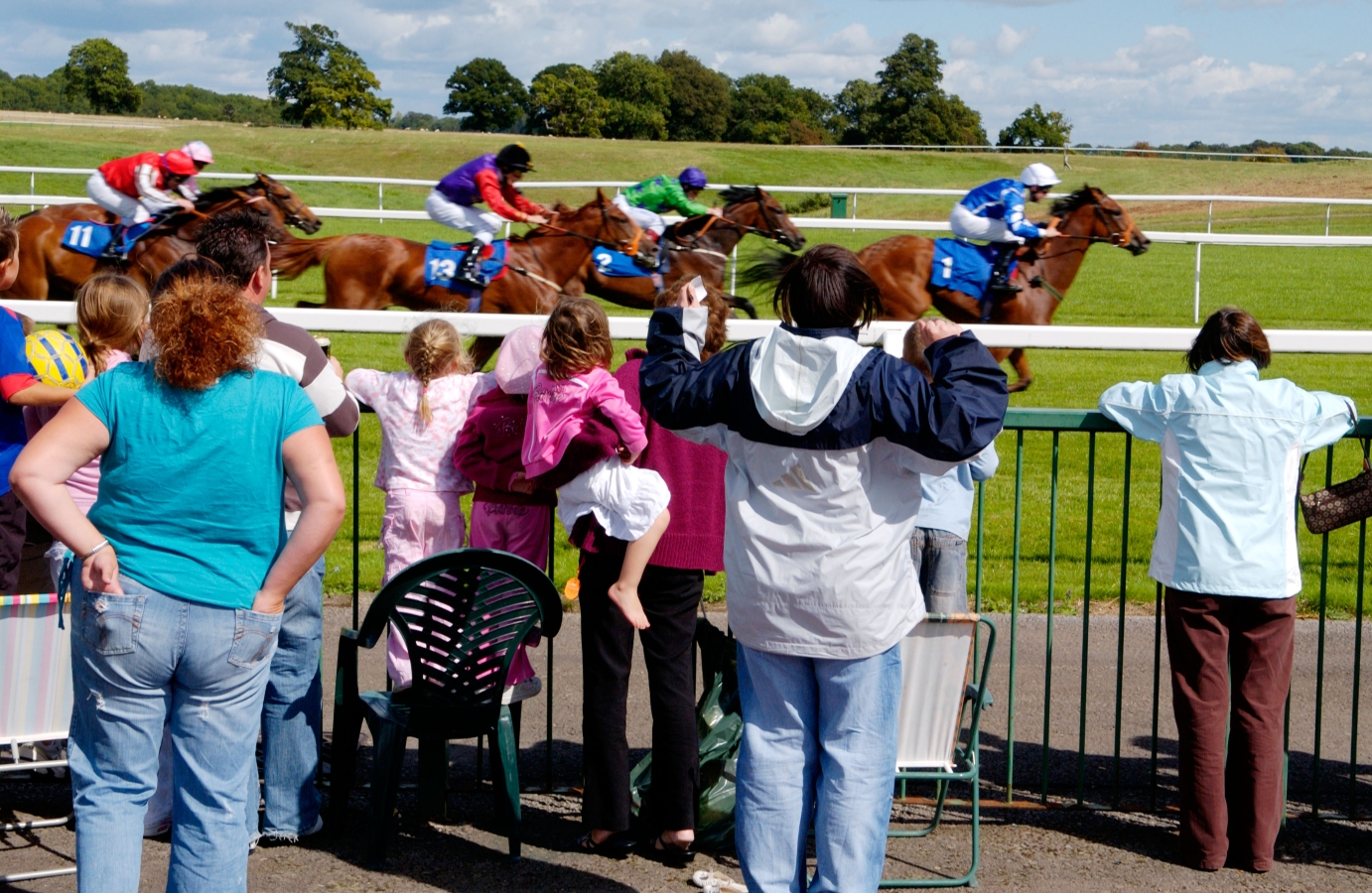
Racing has spent the last few years chasing new faces through the gate, and on the headline numbers, it’s working. More people are turning up than at any point since before the pandemic. But talk to anyone who’s followed the sport properly for years, and you get a different story. They feel like they’re being managed out of the room. So, the question is a fair one. Is the sport building a future, or selling off its foundations to do it?
I’ve been going racing for forty-five years, so I’ll declare my hand early. I want the crowds. I also don’t want the sport itself or the media to forget who kept the lights on through thick and thin.
The crowds are back
On the surface, the attendance figures are good. British racecourses recorded a little over five million attendances in 2025, the first time the sport has cleared that mark since 2019, and up almost five per cent on the year before. The industry’s “Going Is Good” campaign has been aimed squarely at a younger audience, and the early read is that it’s landing. Tracks report more people in their twenties and thirties coming through the turnstiles, usually in groups, treating the day as a full day out rather than an afternoon at the races.
None of that is a bad thing. A sport that can’t replace its audience is a sport with a shelf life.
What’s pulling them in?
The draw, for a lot of these newcomers, isn’t the racing. It’s what’s bolted onto it. Music nights have become the engine. Newbury pulled in around forty-five thousand people across its summer concert series, with fifteen thousand at a single evening. Family days, fun fairs, food markets and themed fixtures do similar work at tracks across the country. The Premier Raceday scheme, which badges the sport’s biggest fixtures as a “shop window,” runs on the same logic. Put on a show, get the casual punter through the gate, and hope some of them come back.
That’s the plan. Get them in with the music and turn them into racing fans later. But has that worked?
The punter is quietly walking away
Here’s the part that gets less attention. While the crowds go up, the betting is falling off a cliff. Online turnover on British racing dropped to under eight billion pounds in the year to March 2025, down from more than ten billion in 2022. The BHA’s own figures put the fall at around sixteen per cent across two years.
The main culprit, by almost everyone’s reckoning inside the sport, is affordability checks. That will directly affect racing’s finances because so much of the sport’s income comes from betting. Independent modelling has put the potential hit at around 250 million pounds over five years. And the money isn’t just disappearing. It’s moving. Offshore betting has ballooned, with the estimated black-market yield rising from around 200 million in 2019 to close to 700 million by 2025. The serious punter, the one who studies the form and bets with conviction, is being pushed towards the exit or underground.
That punter is the existing fan in their purest form. And the sport is losing them.
The faithful are being priced out of the big days
The festivals tell the same story from a different angle. Cheltenham, the showpiece of the jumps calendar, has seen its attendance slide, with regulars pointing at the cost of tickets, travel, accommodation and a seven-pound-plus pint. Organisers have had to cut capacity and knock the price of a pint back down to coax people back. When the biggest meeting of the year has to apologise for beer prices to stop its core crowd staying home, something has gone wrong with the priorities.
The people staying away from Cheltenham aren’t the music-night crowd. They’re the ones who’ve been going for twenty years.
My Take
I don’t think racing is wrong to chase new fans. It has to. A sport that stops recruiting dies, and the concerts and family days do get people through the gate who would never otherwise have turned up. On that, the strategy is sound.
The problem is that the sport is running two policies that cancel each other out. On the one hand, it spends heavily to attract casual visitors. On the other hand, it lets the committed fan be taxed, checked and priced, making them feel less welcome with each passing year, until they give up.
That’s the mistake, because these aren’t two separate audiences competing for the same seat. They’re supposed to be the same person at two different stages. The new fan is only worth anything if they become the old fan. The teenager at the Newbury concert is meant to turn into the one studying the card on a wet Tuesday at Wetherby in fifteen years’ time.
That pipeline is broken at the far end. Racing has got very good at the front door and stopped caring about what happens once people are inside. You can fill a racecourse with a pop act, but you can’t build a following on people who leave when the music stops and never place a bet. Meanwhile, the fans who would have carried the sport to the next generation, who bring their kids and teach them the form, are the ones being driven off by affordability checks and priced out of the meetings that made them fall in love with it.
For me, the racing itself is becoming secondary to everything else. A football club doesn’t pack a ground with razzmatazz and then leave the crowd with no interest in the match. Yet that is what has happened to horse racing since Covid. The BHA and coverage on terrestrial TV have become more about families having fun than about the horses.
Just watch ITV. They spend as little time as possible on the horses in the parade ring, the preview of each race comes across as something they would rather not do, and a bet is treated as an embarrassment. There is something absurd about a programme funded by betting money, sponsored by Paddy Power, and featuring bookmakers’ adverts in the breaks, that treats an actual bet as a guilty secret. Betting is not a grubby add-on. It is what funds the sport. The prize money, the levy, the media rights, all of it leans on people having a bet. Teach a new viewer that a bet is faintly shameful, and you have taught them not to fund the thing they have been introduced to. That is the pipeline breaking on screen. It converts nobody.
So no, I don’t buy the framing that it’s new fans against old fans. It’s the same fan, and racing is welcoming them at eighteen and shoving them out the door at forty-five.
Get the existing fan wrong, and there’s nobody left for the new one to grow into.
Never miss a lesson
New guides, previews and history every week. Free to your inbox.
Join the mailing list