Before the Off: September Racing Preview
The Flat season enters the final furlong as summer gives way to autumn. Here is what to expect from an exciting month of horse racing.
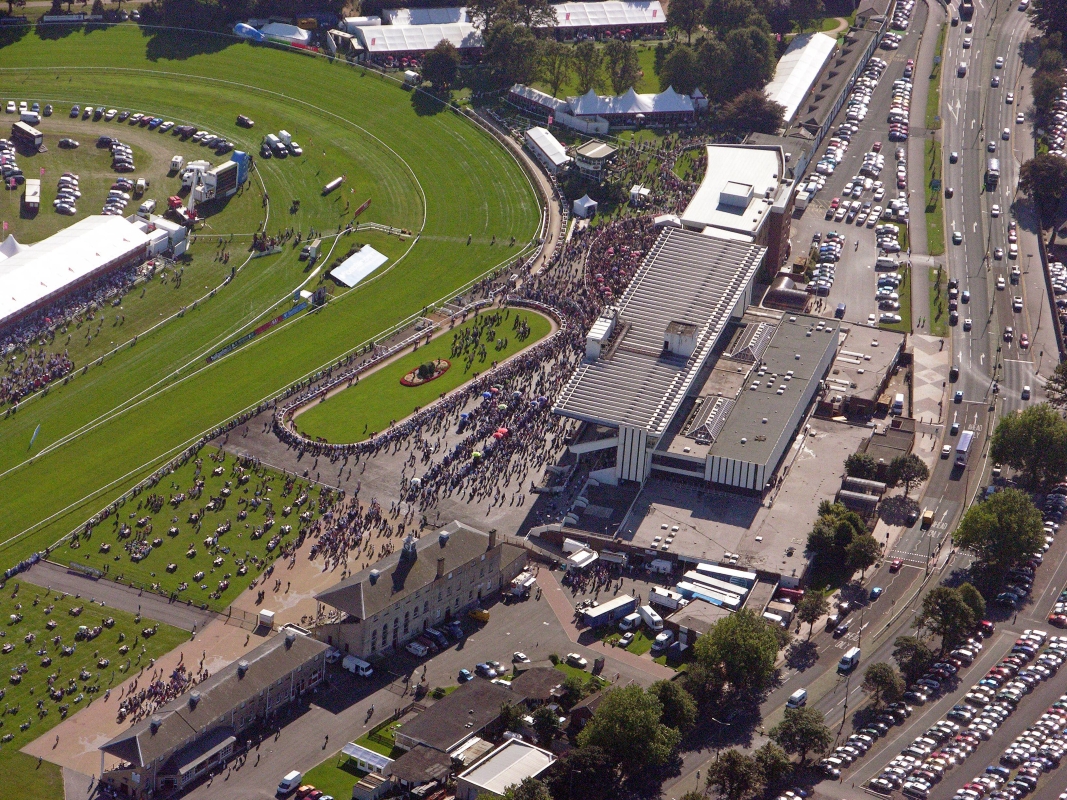
The pace changes as racing enters September. During the summer, most weeks have brought a big handicap, or a festival or two to provide puzzles to solve. September, though, has a different tone. This is when we find out who the best horses of the season are. The last Classic is run at Doncaster, the sprint division tries to sort out its pecking order, although this season who knows what that is. It is also when the horses being aimed at some of the richest and most prestigious prizes show their hands. For people who follow the form with one eye on the bigger picture, it is the most revealing month of the lot.
This is when we find out who the best horses of the season are.
It’s also full of the kind of races this site has been created to unravel. The autumn’s staying handicaps and cavalry-charge sprints, the Portland and the Ayr Gold Cup and the Cambridgeshire among them, throw twenty-plus runners at us year after year. The good news is they tend to be won by the same type of horse coming off the same sort of preparation. That is exactly the ground where my methods earn their keep. What follows is a map of the month, not a set of selections. I’ll add these later if and when I have strong opinions.
Haydock, Saturday 5 September — Betfair Sprint Cup
The month opens with the sprinters. The Betfair Sprint Cup, a Group 1 down the straight six at Haydock, is the first of the autumn’s championship tests for the speed horses. It usually pulls in the best of the summer’s Group performers alongside a few improving three-year-olds who have run up a sequence and are ready to take on their elders. First run in 1966, it has been won down the years by top-class sprinters, and the last few winners have been among the fastest horses in training. It’s a good early guide to how the sprinting order looks going into the back end of the season. There are, though, a couple of things to bear in mind.
First, does anyone have an idea of the pecking order in the sprinting division? The form for 2026 is all over the place, and I think the only firm conclusion is that the overseas sprinters have had a clear quality advantage.
Second, the change in ground. Summer form doesn’t normally hold up when the ground softens as we enter autumn. That general rule may be even more pronounced this year because of the summer we have had, so keep an eye out as the rain starts to arrive.
Doncaster, Thursday 10 to Sunday 13 September — St Leger Festival
Then to Town Moor for the oldest and, this year, one of the biggest weeks in the calendar. The St Leger, run on Saturday 12 September, is the world’s oldest Classic and the last of the five staged in Britain each season. This year marks its 250th running; the first was run in 1776, which gives the week a real sense of occasion. Over a mile and three-quarters, it is a proper examination of a staying three-year-old, and its winners have a habit of going on to better things.
The Saturday is the headline, but the meeting is worth following from Thursday. The Doncaster Cup on the Friday is older still than the Leger, first run in 1766 and the oldest race still run under the sport’s rules, a stayers’ contest with a long memory. There is a strong supporting programme of two-year-old and fillies’ races across the four days, and the Portland Handicap, a furious five-and-a-half-furlong charge down the straight, remains one of the great betting puzzles of the year. Look out for the specialists who excel at this in-between distance.
Leopardstown and the Curragh, Saturday 12 to Sunday 13 September — Irish Champions Festival
The same weekend brings the strongest two days of the Irish Flat season, and a direct clash with the St Leger meeting for anyone trying to follow both. Leopardstown on the Saturday is built around the Irish Champion Stakes, a mile and a quarter Group 1 that regularly draws the best middle-distance horses in Europe and is often the last serious trial before the Arc.
The Curragh takes over on the Sunday with the Irish St Leger, alongside a clutch of further Group 1s, the Flying Five over the minimum trip and two of the season’s most important juvenile races among them. For anyone following the road to Paris, a good deal gets settled over these two days.
Ayr, Thursday 17 to Saturday 19 September — Western Meeting
Scotland’s biggest Flat fixture, and the home of one of the most valuable sprint handicaps in Europe. The Ayr Gold Cup, run on the Saturday over six furlongs, brings together a full field of hard-knocking sprinters, and the meeting now runs it as part of a three-race sequence, the Bronze, the Silver and the Gold, so that horses just outside the cut for the main event still get their afternoon. Just don’t ask me about the daft idea of consolation races. Maybe that will be a discussion for another day.
Big fields, a straight course and a set of runners who have mostly been round these tracks before: it is the sort of race where the criteria that matter tend to hold up from one year to the next. The card around it is strong too, with a Group race for the fillies and a decent middle-distance prize on the same day.
Newmarket, Thursday 24 to Saturday 26 September — Cambridgeshire Meeting
The month signs off on the Rowley Mile with the first leg of the Autumn Double. The Cambridgeshire, run on the Saturday over an awkward mile and a furlong, has been going since 1839 and remains one of the hardest races of the year to solve, with a big field, a stiff, undulating track and the famous dip to get through in the closing stages. It pairs with the Cesarewitch, run at Newmarket a fortnight or so later, to make up a double that has tested punters for the best part of two centuries. The same Saturday carries two Group 1s for the juveniles, the Cheveley Park and the Middle Park, which between them do a lot to shape next spring’s Classic picture.
It pairs with the Cesarewitch to make up a double that has tested punters for the best part of two centuries.
Where it all points
By the end of the month the autumn has taken shape. The stayers, the sprinters and the middle-distance horses have all had their say, the year’s best juveniles are starting to show themselves, and the road runs on to the Prix de l’Arc de Triomphe in early October and QIPCO British Champions Day at Ascot a fortnight or so after that. Plenty is still to be settled. But September is where the guessing narrows and the form begins to mean something, which is as good a reason as any to pay it close attention.
September is where the guessing narrows and the form begins to mean something.
We’ll be back through the month with a closer look at some of the races, their history and how the 2026 instalments are taking shape. The Portland, the Ayr Gold Cup and the Cambridgeshire in particular can be great races to get stuck into, with the chance to find that well-handicapped horse at bigger odds. That’s the fun of it, and the work.
Never miss a lesson
New guides, previews and history every week. Free to your inbox.
Join the mailing list